
Liquid recovery
Remove water, process liquids, slurry, sludge, and accumulated material from tanks, pits, sumps, separators, and containment areas.
The right vacuum equipment for the material and site.
Recovery of liquids, sludge, slurry, dry material, and non-hazardous industrial waste from tanks, pits, sumps, separators, and process areas.
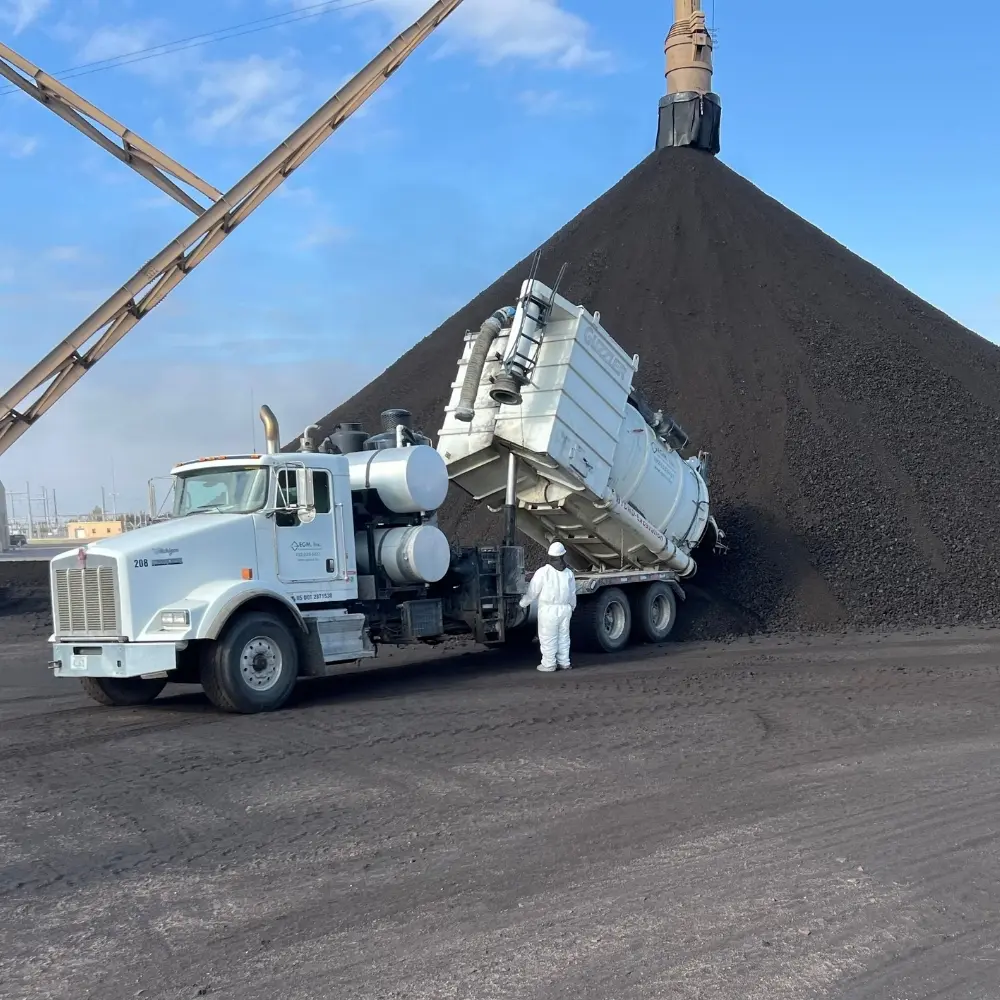
EGM matches the vacuum truck, hose configuration, recovery method, access plan, and material-handling path to the work in front of the crew. Scheduled maintenance and urgent recovery scopes can be coordinated with cleaning, hauling, and disposal support under one project lead.
EGM aligns equipment, crews, access, material handling, timing, communication, and closeout around the job—not a generic service package.
Remove water, process liquids, slurry, sludge, and accumulated material from tanks, pits, sumps, separators, and containment areas.
Support removal of dry industrial material and buildup where access, dust control, hose reach, and offload planning matter.
Pair vacuum recovery with tank cleaning, hydroblasting, line cleaning, shutdown work, and confined-area planning.
Align temporary storage, transportation, approved receiving facilities, and project documentation with the material profile and scope.
A useful estimate starts with the job scope. Material type and volume, truck and crew requirements, hose distance, site access, mobilization, work duration and the receiving facility all affect the plan. Cleaning, temporary storage, transportation and disposal requirements should be discussed before work is scheduled.
For a scope review, share the facility address, estimated quantity, available material analysis or safety data, photos, access restrictions and preferred dates. Confirm which recovery, hauling and receiving charges are included when comparing proposals.
Request a vacuum truck scope review →
For PFAS-impacted material, see our PFAS waste project requirements. Material characterization and receiving-facility acceptance are reviewed for each project.
Share what is known. EGM can help identify the remaining questions before the crew and equipment are committed.
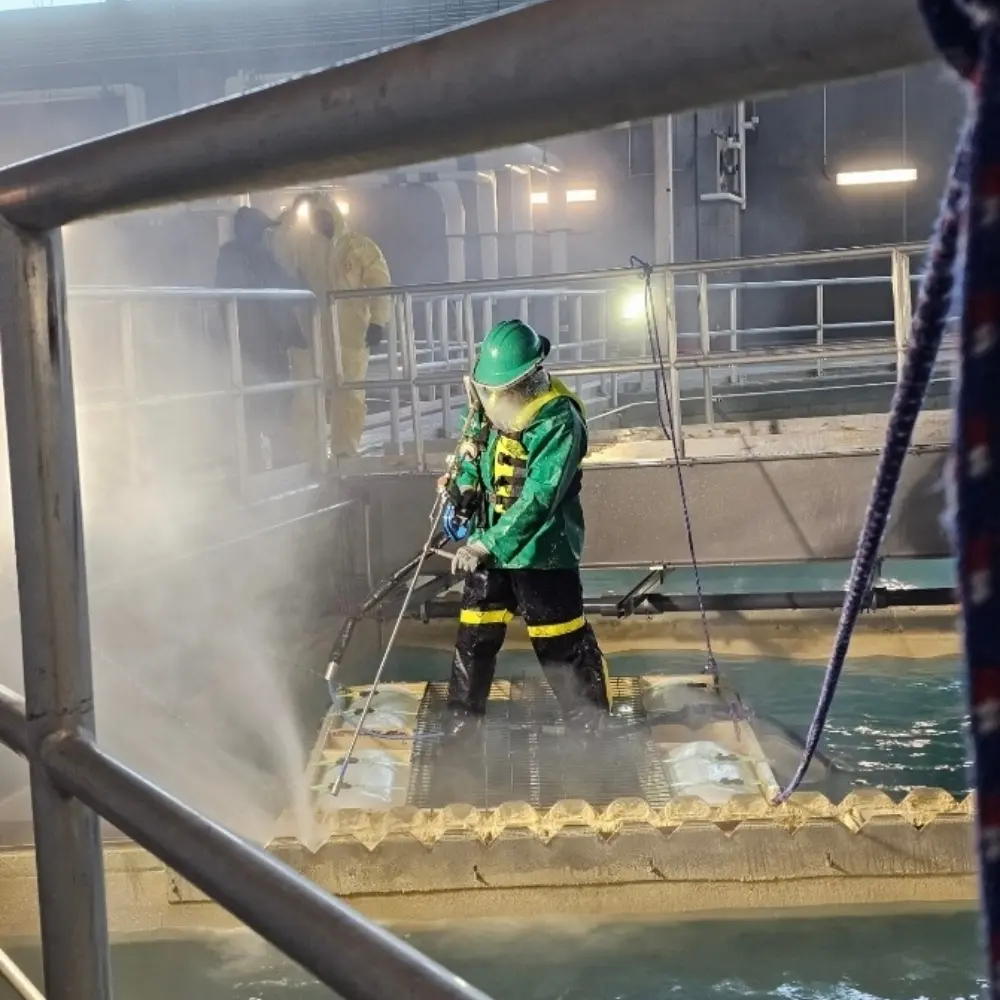
20,000–40,000 PSI water cleaning for vessels, process equipment, lines, deposits, coatings, lime, scale, and difficult industrial buildup.
Explore service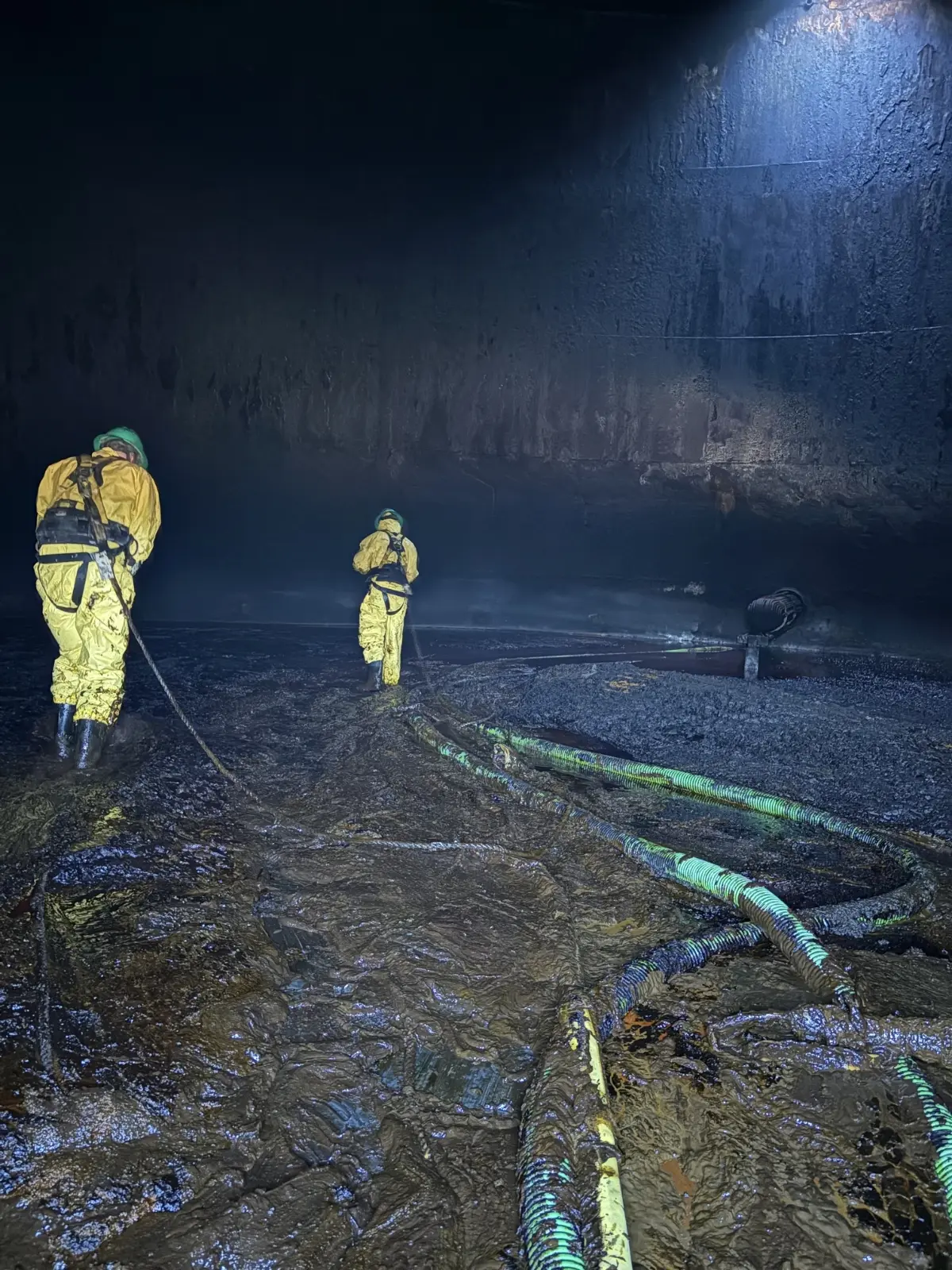
Time-critical field support for spills, releases, overflows, blocked lines, urgent recovery, cleanup, transportation, and site stabilization.
Explore service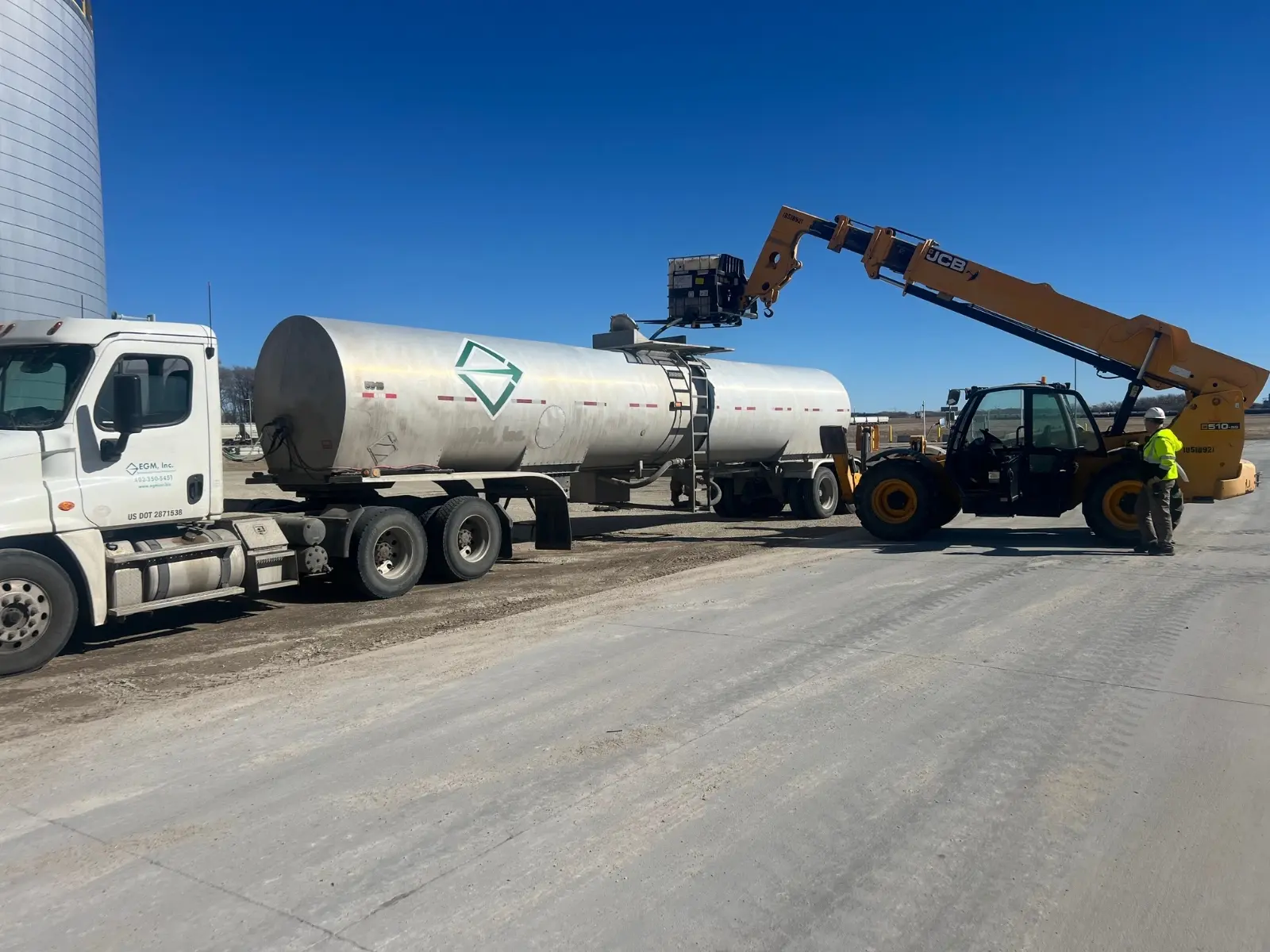
Non-hazardous waste hauling, disposal coordination, soil remediation, site cleanup, and documentation under one managed scope.
Explore serviceTell us what is happening, where the work is located, and when the facility needs support.