
Long-lasting contamination
Many PFAS break down very slowly and can remain in soil and water. Their persistence makes careful management of impacted materials important.
Water, soil, and sludge. One coordinated path to an accepting destination.
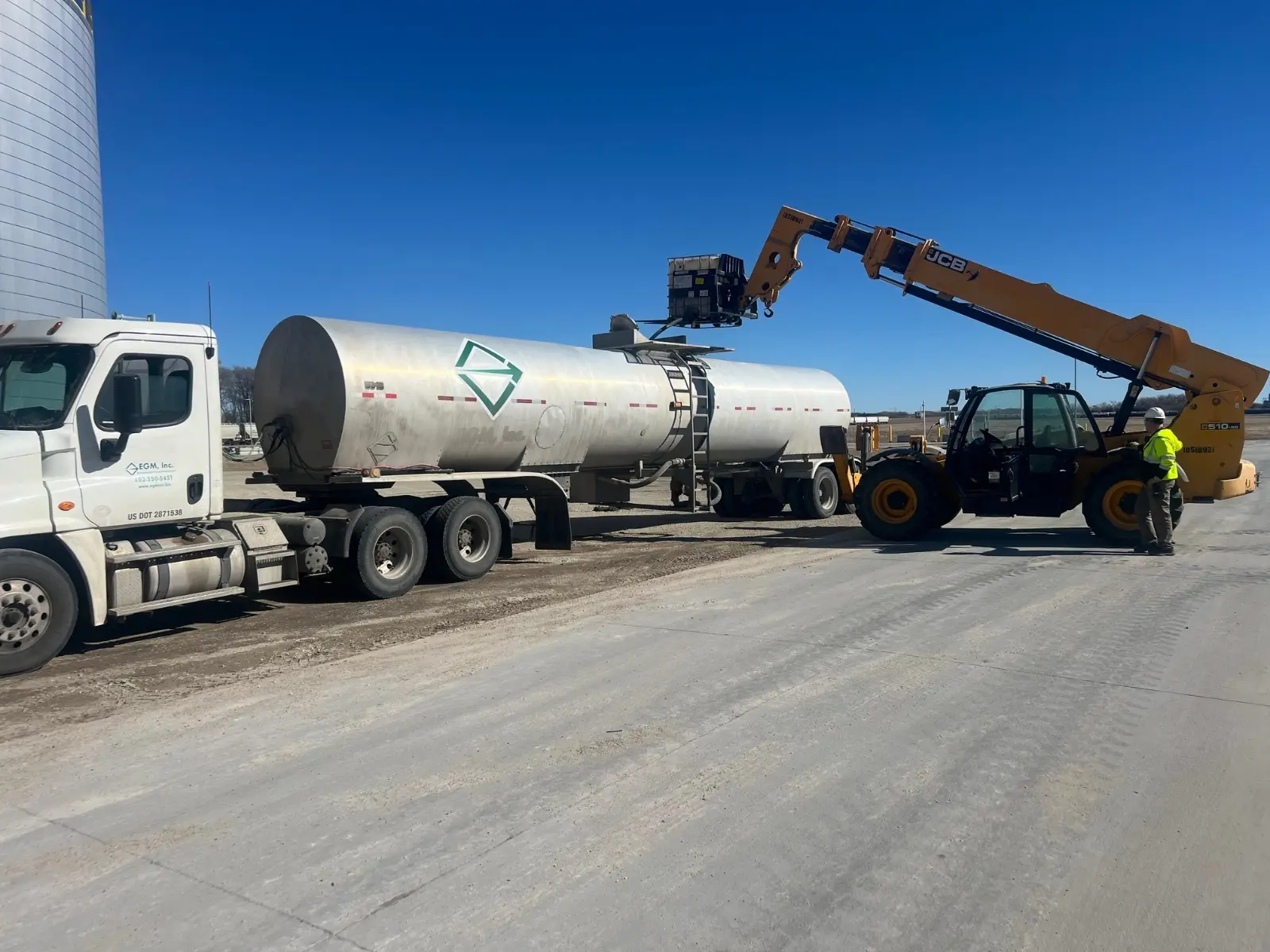
EGM provides field recovery, transportation, and disposal coordination for qualifying PFAS-impacted materials across the Midwest. We review the waste profile and receiving requirements before a pickup is confirmed.
PFAS (per- and polyfluoroalkyl substances) are a large group of chemicals used in industrial and consumer products. When they are present in waste, a coordinated plan connects removal with a suitable receiving facility.
Many PFAS break down very slowly and can remain in soil and water. Their persistence makes careful management of impacted materials important.
Exposure to some PFAS has been linked to harmful health effects. The specific chemicals and exposure conditions matter when evaluating a site’s concerns.
Recovered water, excavated soil, and removed sludge need an evaluated receiving path. EPA recommends options that minimize further PFAS releases based on site conditions.
Have PFAS-impacted water, soil, or sludge?
Discuss your PFAS wasteLearn more from the U.S. EPA: PFAS overview · PFAS destruction and disposal guidance.
PFAS-impacted waste can be difficult to place. EGM brings field crews, equipment, transportation planning, and access to a receiving destination together under one managed scope for qualifying projects. Our team reviews the material and the receiving facility’s requirements before scheduling removal.
Whether the work involves water recovery, soil excavation, or sludge cleanout, the material source, volume, analytical results, and other contaminants shape the plan. EGM coordinates delivery records as required for the approved waste stream.
Our services connect recovery and removal with an approved receiving path. Each project is assessed individually.
Vacuum recovery, loading, and transportation planning for qualifying liquid waste, with receiving-facility requirements established before the load moves.
Excavation support, controlled loading, hauling, and disposal coordination within a defined remediation scope.
Removal from tanks, pits, or other defined work areas using a recovery and transport plan appropriate to the material.
Coordination with the accepting facility and project records appropriate to the waste classification and agreed scope.
Share what you know about the material. EGM will use the project details to evaluate a viable removal and receiving plan.
Review the source, physical form, estimated volume, and available data.
Confirm that a receiving facility can accept the specific waste stream.
Plan the field work, equipment, containers, and transportation.
Coordinate records for the shipment and receiving facility.
Based in Valley, Nebraska, EGM reviews PFAS-impacted water, soil, and sludge removal projects in Nebraska and Iowa, including the Omaha–Council Bluffs area. We also evaluate projects in Kansas, Missouri, South Dakota, and Minnesota. Pickup location, waste characterization, and receiving-facility acceptance determine the available removal, hauling, and disposal plan.
Service availability depends on the waste profile, other contaminants, location, applicable state and transport requirements, and written acceptance by the receiving facility. PFAS presence alone does not determine every other waste classification or permit requirement.
Yes. EGM evaluates projects involving these materials and coordinates removal and disposal for qualifying loads after the waste profile and receiving-facility acceptance are confirmed.
The project scope depends on the material type and volume, available characterization data, site access, transportation distance, and receiving-facility requirements. Share those details with EGM for a project-specific review.
The information required depends on the waste stream and receiving facility. Share any existing analytical results with your inquiry. EGM will identify additional waste-profile information needed before a pickup is confirmed.
EGM provides field recovery, transportation, and disposal coordination. The approved receiving facility determines the treatment or disposal method for the accepted waste.
Provide the pickup location, waste source and type, estimated volume, known co-contaminants, available analysis, and requested timeline. EGM will identify the next information needed to scope the work.
Share the pickup location, material type, approximate volume, and any available analysis. EGM will review the scope and receiving requirements, then identify the next steps for qualifying projects.